What is council tax
Council Tax is an annual fee your local council charges you for the services it provides, such as rubbish collection and libraries. Typically you pay it in ten monthly instalments, followed by two months of not making any payments.
Calculating council tax in London
Council tax in London, as it is everywhere else, is collected by local authorities, usually monthly by direct debit. A house’s Council Tax band is based on its rateable value, so the more expensive the property is the higher the Council Tax band. You have to pay it whether you own your own place or rent. Your local council will have split the tax into bands based on property values in the past, which means the council tax you pay is based on your home’s market value at the time it was valued.
You can find out how much your local authority charges for council tax London on the gov.uk website. And you can pin down the council tax band that has been applied to a property online as well.
Sometimes there are discounts. If you’re the only adult living in a property, for example, you get a 25% reduction. If you’re a full-time student and everyone else in your home is also studying full time, you get a 100% discount, paying no council tax.
Lowest council tax in London
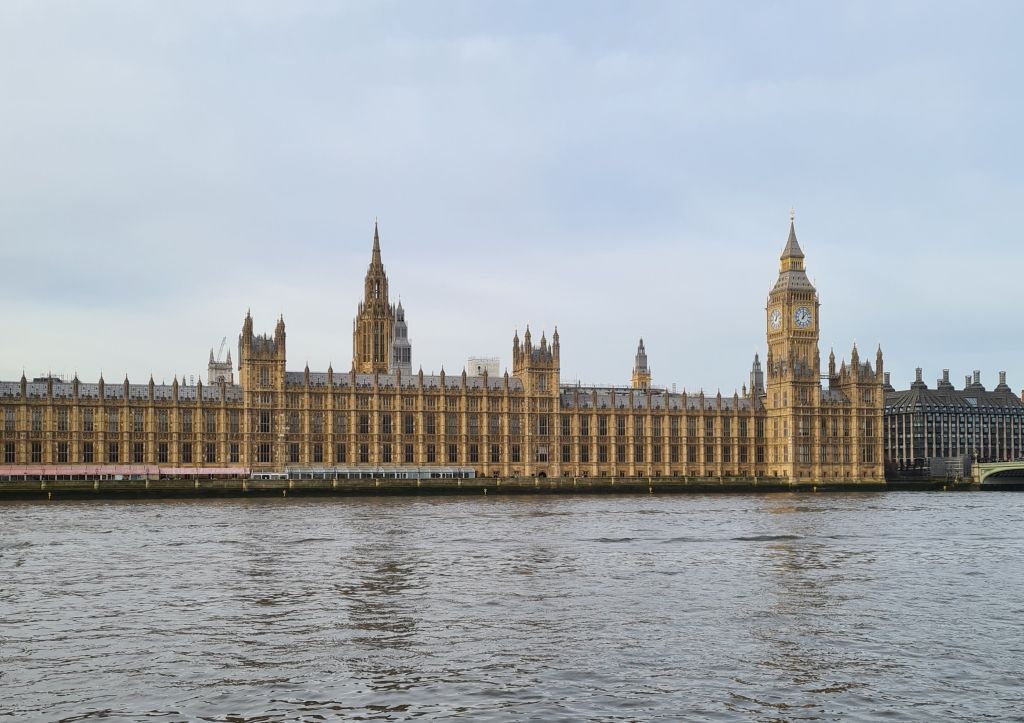
Westminster has the cheapest council tax in the city, however, the district also comes with a high cost of living and high property prices. Kensington & Chelsea, and the City of London itself have similar situation. Other low council tax areas in London are Wandsworth and Hammersmith & Fulham.
Highest council tax in London
Kingston-upon-Thames has the most expensive council tax of all, closely followed by Harrow, Richmond-upon-Thames, Havering and Croydon. The difference can be dramatic, which could mean you find living in a town outside the city might be a better bet, even taking into account the commuting costs.
 Ariadne Residential